
When Twilight Falls on the River Nith
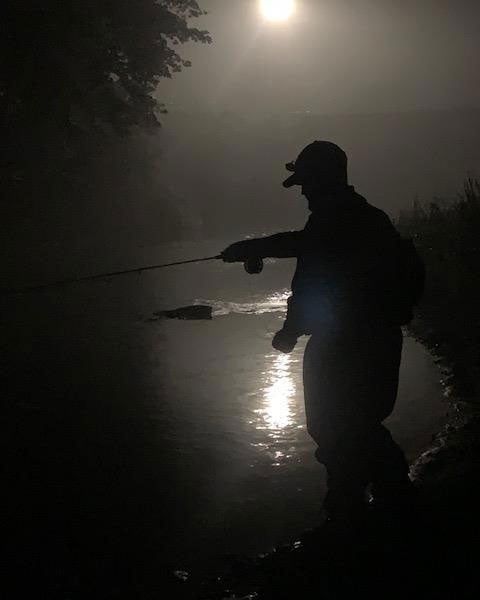
As daylight drains from Dumfriesshire, the River Nith changes character. The glare leaves the surface, bankside cover becomes more important, and sea trout that spent the brighter hours resting in deeper water may begin to move with purpose. The first part of the night is rarely a simple extension of daytime fishing. It is a gradual rearrangement of fish, current, and angler confidence, beginning around the heads and tails of familiar pools before extending into shallow gravel glides and neck runs.
Successful night fishing on the Nith depends on sensory awareness rather than constant visibility. A fly that looked perfectly placed in daylight may now be fishing too high, too fast, or across the wrong current. The angler must listen to the water, feel line tension, observe surface movement before darkness is complete, and move with deliberate care. For visitors, it is sensible to study current River Nith sea trout guidance, confirm local rules and access arrangements, and regard every night session as a progression from known water into carefully managed darkness.
Reading the Water Shift from Holding Depths to Feeding Flats
During daylight, sea trout often favour depth, shade, broken structure, and secure holding lies. At dusk, those priorities can alter quickly. Fish that were settled in the deeper body of a pool may move towards the tail, where current begins to accelerate, or into the shallow margins of a gravel glide. The head of a pool and its neck run can also become important, particularly where a steady flow delivers food and gives travelling fish a clear route upstream.
On the Nith, avoid treating every apparently shallow area as insignificant. A few inches of additional depth beside a crease, a darker trough between gravel bars, an undercut bank, or a seam where fast water joins slower flow can provide enough security for a moving sea trout. The most promising water is often transitional rather than featureless. Fish may pause briefly at the end of a pool, then move through the neck, while others spread over a shallow flat once darkness gives them confidence.
Before casting in complete darkness, use the last light to build a mental map. A disciplined reconnaissance routine reduces both disturbance and risk:
- Identify the pool boundaries, the tail, the head, and the safest bank route.
- Watch for surface movement, rolling fish, bait activity, foam lines, and changes in current speed.
- Mark submerged rocks, deep slots, soft gravel, and any section that should not be waded after dark.
- Choose the first casting position before entering the river, then decide how far downstream the session may progress.
- Check that the selected fly, leader, spare tippet, forceps, net, and light are immediately accessible.
Start at the upper riffle or pool head if conditions suggest that fish are arriving, then work downstream methodically. This approach mirrors established sea trout practice on comparable British rivers, where fishing may begin in the riffle at dusk before moving into the pool as darkness develops. Avoid assuming that the loudest water is automatically best. A modest tail crease can outfish a dramatic rapid if it provides the right combination of depth, pace, and escape cover.
Mastering the Rules of Low-Impact Wading and Light Discipline
Night stealth begins before the first cast. Sound and vibration travel efficiently through water, and hurried footfalls, bank-thumping, or shuffling gravel can alert fish well beyond the immediate wading line. Enter slowly, pause after each movement, and allow the water to settle before presenting the fly. If a productive lie can be reached from the bank, remain on the bank. Excessive river entry is rarely a mark of skill, especially when a carefully chosen angle can achieve the same presentation.
Light discipline is equally important. A bright white beam across a pool can disturb fish and destroy the angler”s night vision. Use a headlamp only for essential tasks, and keep a red LED for close work beside the bank rather than sweeping it over the river. Establish the intended wading route before twilight disappears, including the exit point and any section where rising water could make retreat difficult. Night fishing should be undertaken with a partner whenever possible, with both anglers aware of the plan and local hazards.
- Wear muted, non-reflective clothing and secure loose equipment before approaching the water.
- Keep phones, lamps, zips, and metal accessories quiet when moving along the bank.
- Wade slowly, using a stick or probing rod where the bottom is unfamiliar, and never rely on memory alone in changing flow.
- Leave generous space between anglers, especially when working a pool from the bank or advancing downstream.
- Follow beat instructions, club rules, access agreements, and any restrictions on night fishing or wading.
Good etiquette is particularly important after dark because anglers cannot easily see how far another person has progressed. Agree a direction of travel before starting, avoid leapfrogging through a pool, and communicate quietly if another angler is encountered. A deliberate pause between casts is often more effective than repeated false casting, which creates noise, tangles, and unnecessary movement. Stealth is not merely about hiding from fish; it is also about reducing risk and preserving a calm, shared river environment.
Line Selection and Subsurface Swing Dynamics
Line choice should follow water depth, flow, temperature, and the behaviour of the fish rather than a rigid night-fishing formula. A floating line is often useful during the first part of dusk, particularly over shallow tails and when sea trout are moving near the surface. As air temperatures fall and fish settle lower, an intermediate line or controlled sink tip can maintain contact without forcing the fly too deeply. In summer flows, the objective is usually a slow, even swing that keeps the fly within the fish”s window while avoiding a dragging, overpowered presentation.
Line tension matters more in darkness because visual strike detection is reduced. Cast across and slightly downstream, mend only as much as needed, and allow the fly to describe a steady arc through the current. The line should remain sufficiently connected to register a pluck, lift, or sudden heavyening, but not so tight that the fly races across the pool. When a take comes, resist an immediate, violent strike. A firm lift or controlled tightening is generally kinder to the fish and less likely to pull a moving sea trout away from the hook.
| Condition | Line choice | Leader approach | Presentation |
|---|---|---|---|
| Early dusk, shallow clear water | Floating line | Longer tapered leader, adjusted for wind and fly size | Slow swing or gentle mend through tails and glides |
| Cooler air, moderate summer flow | Intermediate or slow sink tip | Medium leader to maintain control without overloading the fly | Leisurely quartering cast with steady line tension |
| Higher or slightly coloured water | Controlled sink tip matched to depth | Shorter leader for improved contact | Positive swing near seams, necks, and softer margins |
Fly selection should offer contrasting silhouettes and depths rather than a crowded box of near-identical patterns. Slim black and silver forms can suggest small baitfish, while fuller patterns provide a stronger outline against a dark surface. The principles described in specialist sea trout fly selection advice are useful here: silhouette, depth, and speed generally matter more than intricate material movement when the river is black and the fish are moving with intent.
Surface Excitement with Wake Flies and Tube Patterns
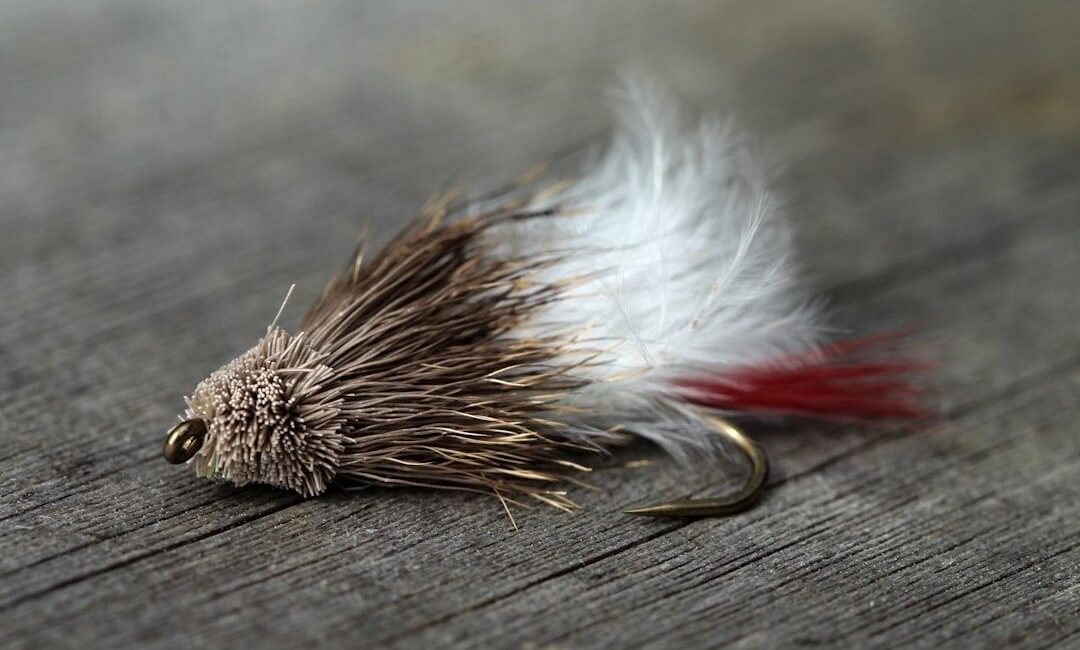
A waking fly offers a different proposition from a conventional subsurface dressing. Deer-hair bugs, Muddlers, and riffling-hitch patterns disturb the film as they cross the current, suggesting an insect, small animal, or other vulnerable object struggling on the surface. A large wake fly pushes more water, while a riffling hitch creates a narrower disturbance, although the boundary between the two styles is not absolute. Sea trout are particularly associated with taking such flies at night, when a surface track can be easier to locate than a small submerged pattern.
Begin with a controlled pace rather than an exaggerated skate. The fly should wake consistently, not leap across the surface in a way that produces slack and poor hook control. Across a glassy pool, a modest angled cast and restrained downstream movement may be enough. In broken water, a darker, more buoyant pattern can remain visible through its disturbance even when the fly itself cannot be seen. Tube patterns are valuable when a longer profile or different hook arrangement is needed, but they must remain compatible with local rules and safe release practice.
| Light and water | Useful pattern style | Recommended approach |
|---|---|---|
| Remaining twilight, clear shallow glide | Slim black and silver tube or traditional wet fly | Fish just under the surface with a measured swing |
| Moonlit pool with visible surface lanes | Muddler or restrained deer-hair wake fly | Allow a narrow wake across seams and tails |
| Pitch-black, calm water | Large-silhouette surface fly such as a Night Stalker style | Skate slowly, pause between casts, and listen for rises |
| Broken or slightly coloured current | Buoyant tube or fuller silhouette pattern | Maintain positive tension through the crease |
When sea trout repeatedly follow or boil beneath a deep offering without connecting, a surface change can trigger a different response. The sudden contrast between a submerged swing and a moving silhouette may provoke an aggressive strike, particularly where fish are already active. Traditional dressings remain valuable, but modern tube profiles can make it easier to adjust length, weight, and hook placement without rebuilding the whole cast. Keep the selection compact and purposeful, with options for a slim profile, a fuller silhouette, a controlled sink, and a surface wake.
Catch, Care, and Safe Night Release in Flowing Water
Every sea trout should be treated as a valuable migratory fish, particularly where returns have been a concern. Night conditions make handling more difficult, so preparation must happen before the cast. Use barbless or debarbed hooks, a large rubber-mesh landing net, and forceps that can be reached without searching through pockets. Keep the fish in the water whenever possible, and avoid lifting it for photographs unless conditions, fish welfare, and local guidance clearly allow it.
- Lead the fish calmly into a submerged net and keep the mesh below the surface.
- Wet hands before touching the fish, supporting the body without squeezing the belly or gripping the gill covers.
- Remove the hook while the fish remains in flowing water, using forceps and minimal handling.
- Face the fish into gentle current and allow it to recover until it holds steadily under its own power.
- Record the catch only after release, and follow any diary, reporting, tagging, or beat requirements.
Do not wade deeply while carrying a fish, and never risk a fall for the sake of a photograph. The Nith”s migratory stocks depend on careful decisions by every angler, from observing current regulations to releasing fish promptly and reporting meaningful information. Conservation is not separate from night tactics. It is the reason for using appropriate tackle, limiting stress, and leaving the river in a condition that allows future sea trout to return.
Stepping into the Dumfriesshire Night with Confidence
River Nith night sea trout fishing rewards patience, preparation, and restraint. Begin by reading the final daylight, identify how the pool connects to its tail and neck, and enter only where the riverbed and exit route are understood. As the night deepens, expect fish to use shallower feeding water, but let conditions determine whether the best answer is a floating line, a slow sink tip, a conventional wet fly, or a carefully waked surface pattern.
The satisfaction lies in combining rivercraft with observation that does not depend on sight alone. A controlled swing, a faint tightening of the line, the sound of a fish turning in darkness, and a safe release in the current all belong to the same tradition of respectful angling. Prepare before dusk, fish with quiet confidence, give other anglers room, and treat every sea trout as part of the Nith”s living future.