
Understanding the Rhythm of a Classic Scottish Spate River
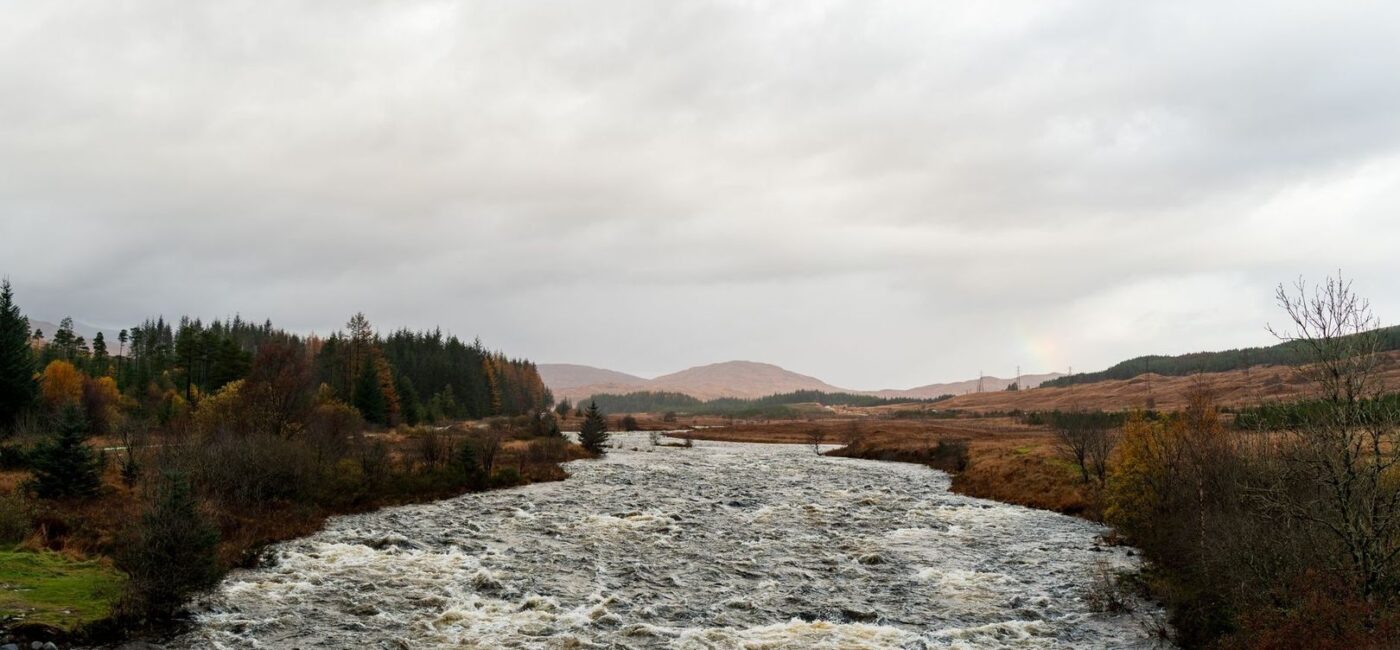
Calendar planning has its place on any salmon river, but on a fast southern Scottish spate system such as the River Nith, the river usually has the final word. A date that produced fish last season may coincide with a brown, rising flood this year, while an apparently ordinary day can become highly productive when rain has passed through the catchment and the river begins to settle. Anglers who treat the calendar as a timetable often arrive either before the water is fishable or after the best of the opportunity has gone.
The challenge is to find the narrow transition between excessive colour and useful cover. A fresh rise can encourage migratory salmon and sea trout to move, yet heavy sediment and peat can make it difficult for fish to see a fly. As the river falls, the pace eases, visibility returns, and fish begin to settle into lies that can be reached from the bank or with measured wading. That is the golden window: falling, clearing water with enough volume to move fish, but not so much that the river becomes unfishable. Before travelling, check current access arrangements, permits, fishery rules, and water conditions, then use the latest Nith water readings as part of the decision rather than relying on a fixed date.
Catchment Hydrology and the Anatomy of the Nith Spate
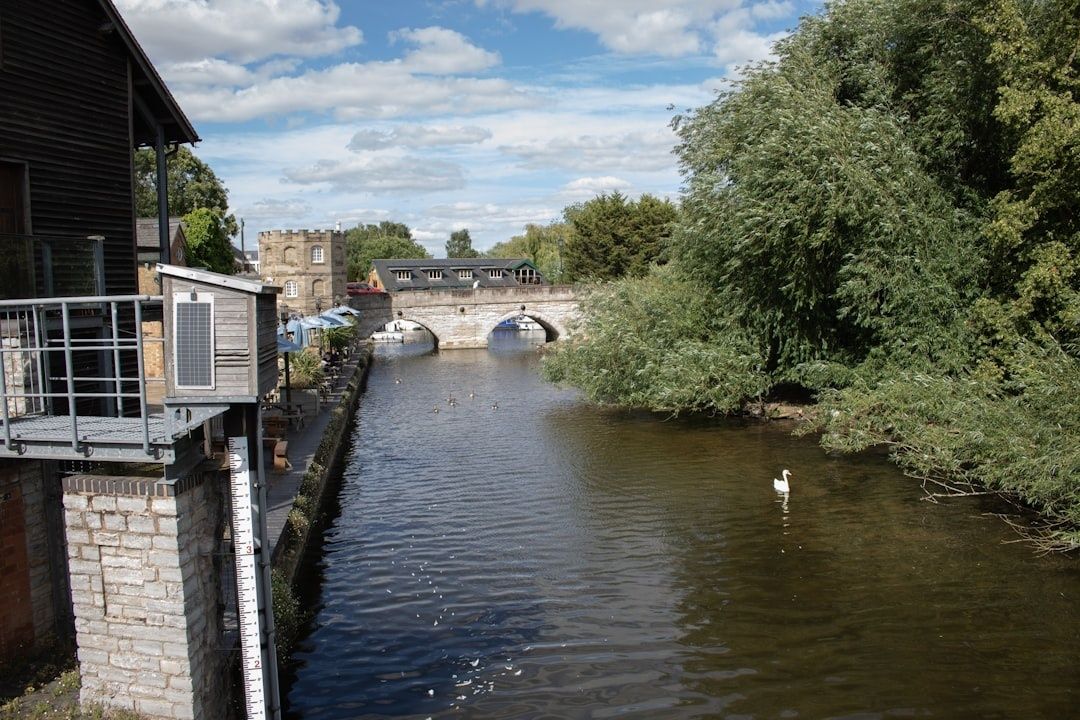
The Nith does not rise as one uniform body of water. Rain falling over the Lowther and Scaur Hills can run quickly from steep ground into feeder burns and tributaries, including the Mennock and Euchan systems. Localised cloudbursts may therefore produce a marked change in one part of the catchment while another section remains relatively fishable. The upper ground, saturated soils, narrow channels, and rapid drainage create the classic spate response, with a sharp rise followed by an equally important period of recession.
That movement takes time to travel downstream. Water arriving around Sanquhar may be rising or already beginning to fall while anglers farther down towards Thornhill are still waiting for the main pulse. By the time the same event reaches the lower river around Dumfries, the height may have changed again, and the water colour may be less intense because of dilution, settling, and the contribution of clearer tributaries. This is why a single observation at one bridge can mislead. The productive moment on one beat may occur several hours before or after conditions become suitable elsewhere.
Upper catchment feeder burns often provide the earliest warning. A sudden increase in the volume or colour of a burn can signal that the main stem will soon change, even before a downstream gauge shows a dramatic movement. SEPA explains that river-level records are measurements against a local datum, and that many stations convert levels into flow information; the figures are valuable, but they still need to be interpreted alongside rainfall, tributary behaviour, and travel time. Anglers tracking catchment shifts can monitor live hydrological records across southern Scotland, while remembering that electronic data can be delayed, provisional, or temporarily unavailable during demanding flood conditions.
- Check rainfall location, not just the total rainfall for the wider region.
- Watch upper burns for sudden colour and increased velocity.
- Allow for the spate to travel downstream before judging a lower beat.
- Compare the gauge trend with what is visible at the river itself.
Decoding Online Gauge Stations from Drumlanrig Downstream
A gauge reading is most useful when it is treated as a moving picture. Height describes the stage of the river at the measuring station, while discharge describes the volume passing the point, normally in cubic metres per second. Neither figure alone tells the complete fishing story. A height that is productive on a slow recession may be difficult during a rapid rise, and the same nominal level may carry a different amount of sediment after a short, intense storm than after prolonged light rain.
The Drumlanrig station provides a valuable reference for the upper and middle Nith. Look first at the hydrograph trend. A steep upward line indicates that the river is still gathering water, which normally means heavier current, unstable margins, and worsening clarity. A broad crest shows that the main pulse has paused, although the river may remain too powerful or dirty for comfortable fishing. The first sustained fall is more significant than the instant at which the graph turns down. At that stage, the river is beginning to release its flood energy, but the banks, wading approaches, and underwater lies may still be hazardous.
For travel decisions, compare several readings where possible and consider the rate of fall at each station. If Drumlanrig is falling steadily while a lower station is still rising, the best water may not yet have reached the downstream beat. If both are falling and the drop is continuing rather than flattening, the river is entering a more useful period of observation. Avoid treating published bands as universal rules, because local gauge geometry, channel shape, rainfall intensity, and individual beats all alter fishability. Keep a simple record of height, trend, clarity, air temperature, and results, and over time the numbers will become tied to familiar pools and runs.
| Gauge pattern | Likely river condition | Sensible response |
|---|---|---|
| Strongly rising | Increasing pace, deteriorating visibility, unstable edges | Delay fishing and reassess safety |
| Near the crest | High energy, often heavy colour, fish beginning to move | Inspect only from safe ground and avoid committing to a wade |
| Early sustained fall | Water starting to settle, cover still present | Prepare for the first workable window |
| Steady fall with amber clarity | Fish can see, current remains attractive, lies become accessible | Fish methodically and cover soft edges first |
| Low and clear | Reduced cover, wary fish, shrinking holding water | Use stealth, smaller flies, and lighter presentation |
Visual Clarity Stages and Reading Peat Staining
Colour tells you what the gauge cannot. At the height of a spate, the river may look like a moving sediment soup, with suspended silt, floating debris, and a pace that makes close examination of the bed impossible. As the heaviest material settles, the colour often moves through a darker peat-stained phase. Anglers may describe this as a black brew, followed by a softer tea or sherry tint, and finally clear amber. These descriptions are subjective, but they become reliable when matched against known stones, gravel bars, and staff marks on a familiar beat.
Workable visibility does not mean gin-clear water. Salmon and sea trout often benefit from peat stain because it reduces the danger of the open river and allows them to move during daylight. The important question is whether a fish can detect a fly at the depth and distance being fished. A dark tube or weighted fly may be seen in shallow stained water, while a small pattern presented close to the bed may be more appropriate once the river has cleared. Use the edge as a reference, because the margin often clears before the main flow and can reveal the direction in which conditions are moving.
- Compare the water with a pale wading staff, boot buckle, or known mark on a bank stone.
- Look for the outline of gravel and cobbles in the margin before judging the main current.
- Check whether suspended particles are still drifting heavily or beginning to settle.
- Observe the same pool again after an hour if conditions are changing quickly.
- Fish only when visibility, flow, and safe access are all acceptable, not merely when the colour looks attractive.
In practical terms, the most useful stage is often clear enough for a fish to find the fly, but stained enough to give it confidence. That balance can be brief. Bright sunlight may make a clearing river appear more transparent than it really is underwater, while cloud, peat, and broken surface can preserve cover for longer. Do not confuse improving visibility with safe wading. A river can look inviting at the surface while retaining powerful currents, deep scour, slippery stones, and unstable banks.
Adapting Tactics Across the Falling Water Window
Early in the fall, fish are often still using sheltered water rather than the centre of the river. Search the soft water beside banks, behind gravel shoulders, along inside bends, and in tailouts where the current loses force. Slow glides and the slack water immediately below a pool can be particularly important for fish taking a temporary rest. As the level drops and the current becomes more organised, salmon and sea trout may move into deeper pots, steady running water, and mid-current lies that were previously too turbulent.
Tackle should follow both depth and visibility. In high but beginning-to-fall water, a sinking tip or slow-sinking line can help present a visible, substantial fly without requiring reckless wading. Larger tubes or robust, high-profile patterns may be appropriate while the river still carries colour. As the water clears and fish occupy more defined lies, shorten the cast, reduce unnecessary disturbance, and move towards smaller flies, lighter leaders, and floating or intermediate presentations. A single-handed rod in the 10 to 11 foot range with a line around a 7 or 8 weight can offer useful control on confined spate water, but tackle must remain matched to local rules, fish size, casting space, and the ability to land a fish promptly.
- Begin with the near bank and soft margins before attempting the main flow.
- Use a controlled swing or mend to keep the fly in the likely taking zone.
- Change depth before changing flies repeatedly when fish are likely lying deep.
- Reduce fly size and leader diameter as clarity improves, while retaining adequate strength.
- Identify an exit route before wading, and never allow a productive lie to draw you beyond safe water.
River etiquette becomes especially important when a fresh run meets a dropping river. Give other anglers room, enter a pool in an orderly rotation, and avoid crossing lies that someone else is fishing. Handle all fish with wet hands, keep them in the water wherever possible, and follow the current rules on retention, release, seasons, licences, and permitted methods. In warmer conditions, prolonged playing and photography can be particularly harmful. Where sea trout or salmon are subject to conservation measures, release requirements, or local fishery instructions, those rules take priority over personal preference.
Step onto the Shingle at the Decisive Moment
The best Nith watercraft comes from combining telemetry with observation. Gauge records can show whether the river is rising, cresting, or falling, but the bank reveals the details that determine presentation: the colour at the margin, the movement of debris, the firmness of the shingle, and the way current lines are forming around familiar lies. With a notebook or digital record, repeated visits begin to build seasonal confidence. The aim is not to discover one perfect number, but to recognise a pattern of rainfall, travel time, recession, and clarity.
Spate rivers deserve patience and caution. Rising water, flooded paths, cut banks, and powerful cross-currents can turn a promising day into an emergency, so prudent anglers carry suitable clothing, avoid unfamiliar wading, tell someone their plan, and retreat early when conditions deteriorate. The decisive moment is rarely the dramatic peak of the flood. More often, it arrives quietly when the river begins to fall, the peat stain softens into amber, and fish settle where a careful cast can reach them. Read that rhythm rather than chasing the highest water, and each season on the Nith will become safer, more deliberate, and more rewarding.